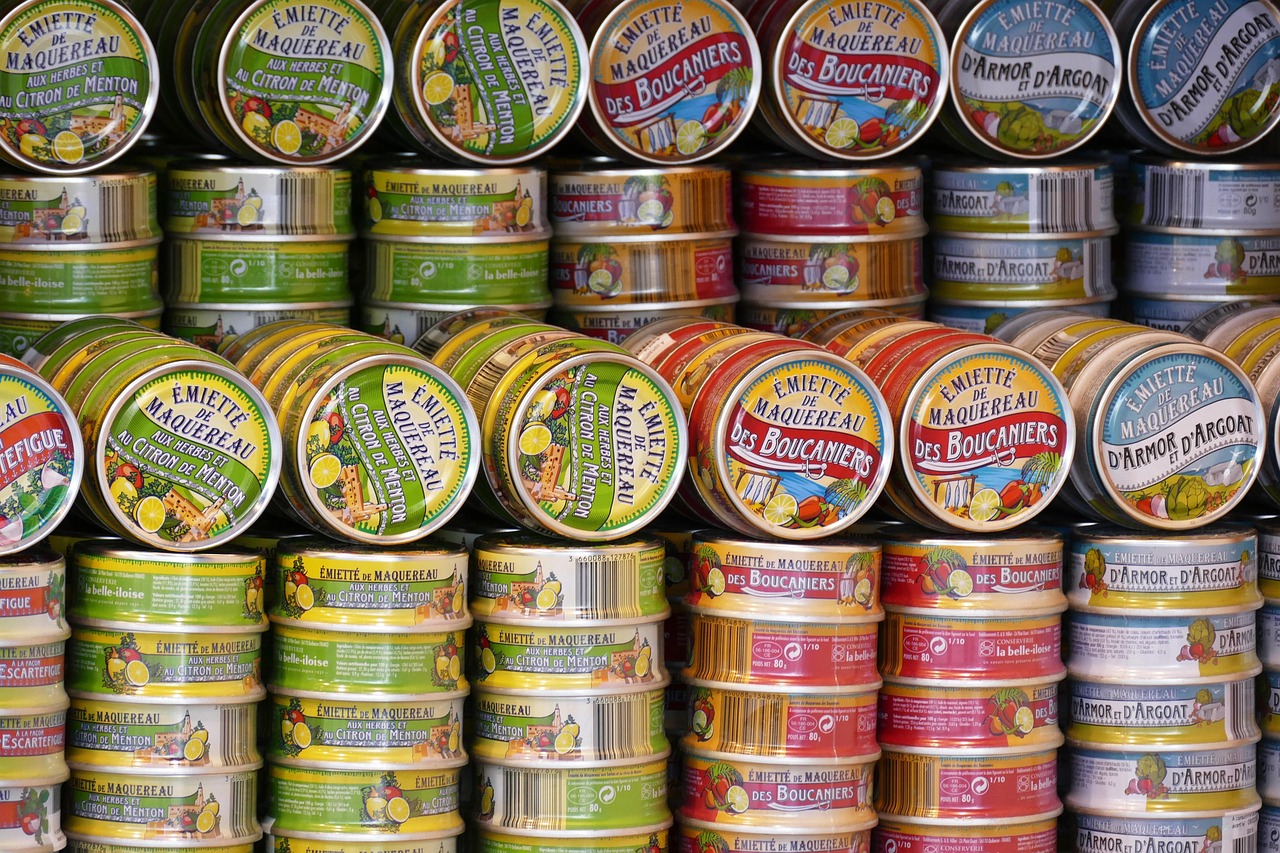
Food labels tell you what is in a product. They rarely tell you what is behind it.
A food label is a remarkable piece of information compression. In a few square centimeters, it communicates calories, macronutrients, allergens, ingredients, and sometimes an origin. Decades of regulatory effort have gone into making labels accurate, standardized, and comparable across products.
And yet, labels answer a very specific set of questions — and leave a much larger set unanswered.
A label tells you that olive oil contains a certain amount of fat per serving. It does not tell you how the olives were grown, whether the pressing was cold or heated, what the producer’s practices look like, or whether the product’s claims are internally consistent with its production methods. It does not tell you whether the producer holds relevant certifications, or if they hold none. It does not tell you what the producer chose not to disclose.
This is not a failure of labeling. Labels do what they were designed to do. The gap is that what labels were designed to do is not the same as what modern food systems require.
Import-dependent economies — where 80% to 95% of food arrives from external supply chains — face a specific version of this problem. Governments in these contexts make food security decisions based on information that stops at the border. What arrived, in what quantity, meeting what minimum standards. The upstream story — how products were actually produced, under what conditions, with what practices — remains largely invisible.
Consumers face a gentler version of the same gap. They can compare prices and read labels. But two products sitting next to each other on a shelf, with nearly identical labels, may represent fundamentally different production realities — one artisanal, one industrial, one transparent, one opaque. The label cannot distinguish them.
The question is not whether labels should be replaced. They should not. The question is what sits alongside them — what structured, persistent, producer-declared documentation gives the full picture that a label, by design, cannot.
Leave a Reply