Our Archive

Our Archive

Artificial intelligence can structure information with extraordinary precision. It can also generate authority it does not possess.Artificial intelligence is exceptionally good at making information sound authoritative. This is precisely the problem. When AI generates a product summary — describing what a food product contains, how it was produced, what its nutritional attributes are — the […]


Read More

The most important decision in a disclosure system is not what it measures. It is who owns it. Technology companies have spent two decades building systems that collect, structure, and analyze data about food products. Most of these systems are proprietary. The data lives on private servers. The methodology is opaque. The pricing is structured […]

Read More

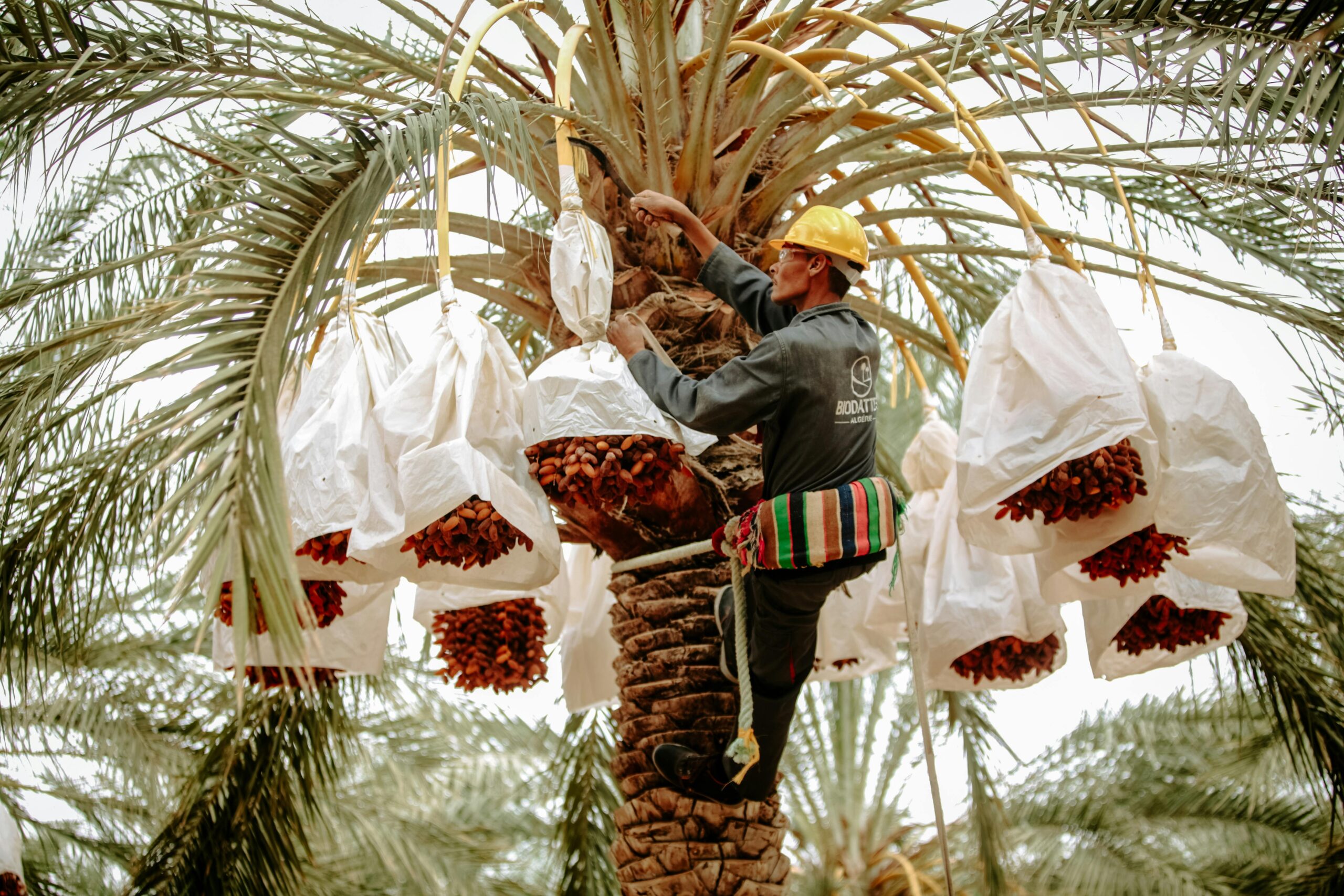
Traditional production methods are often treated as obstacles to market access. They should be treated as competitive advantages.A producer in Oman who hand-pollinates date palms using methods passed down through generations holds knowledge that is scientifically validated, ecologically sound, and culturally irreplaceable. A fisherman in Norway whose catch practices reflect decades of sustainable fishing traditions […]

Read More

A single food product crossing three borders may face nine different documentation requirements. The producer pays for all of them.There is no shortage of standards in food systems. The problem is the opposite: there are too many, and they do not talk to each other. A GCC-based date producer exporting to the EU, the UK, […]

Read More

Food labels tell you what is in a product. They rarely tell you what is behind it.A food label is a remarkable piece of information compression. In a few square centimeters, it communicates calories, macronutrients, allergens, ingredients, and sometimes an origin. Decades of regulatory effort have gone into making labels accurate, standardized, and comparable across […]

Read More